Fragrances have the power to evoke memories, influence emotions, and create lasting impressions. From personal perfumes to household products, fragrance manufacturers play a pivotal role in crafting scents that enrich our lives. Let’s dive into the captivating world of fragrance creation and discover how these experts shape the aromas that surround us.
What Are Fragrance Manufacturers?
Fragrance manufacturers are specialized companies dedicated to developing and producing unique scent profiles for a variety of applications. They blend natural essences and synthetic compounds to create captivating fragrances for personal care products, home goods, and industrial applications. Their expertise ensures that every fragrance delivers an enduring sensory experience.
The Process of Fragrance Creation
The creation of fragrances is a harmonious blend of artistry and science. Here’s an overview of the process:
- Market Research: Manufacturers study consumer preferences and trends to identify desirable scent profiles. This research guides the development of fragrances that resonate with target audiences.
- Ingredient Selection: Perfumers, the artists behind fragrances, carefully select a combination of natural extracts, essential oils, and synthetic compounds to craft balanced scent compositions.
- Blending and Testing: Ingredients are blended in precise proportions to achieve the desired fragrance. Rigorous testing ensures compatibility with various applications and long-lasting performance.
- Regulatory Compliance: Fragrance manufacturers adhere to strict safety standards, ensuring that all ingredients are safe for use and comply with international regulations.
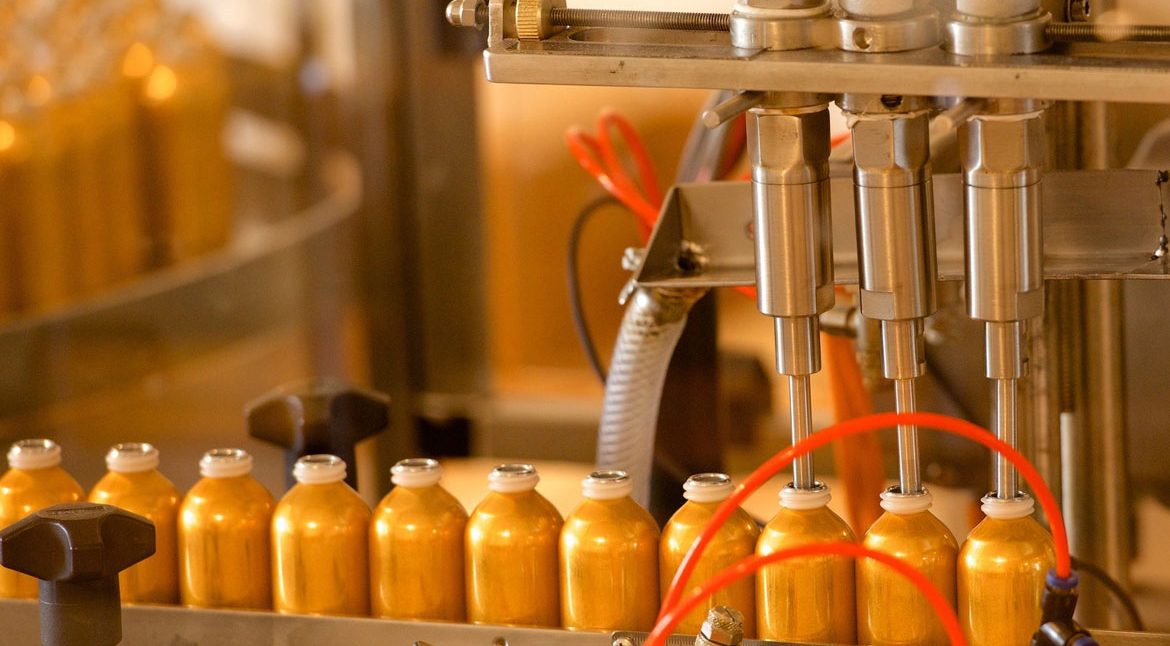
- Production: Once finalized, the fragrance is scaled for production, maintaining consistency and quality across batches.
Types of Fragrances
Fragrance manufacturers create a wide array of scent profiles tailored for different purposes, including:
- Natural Fragrances: Extracted from natural sources like flowers, fruits, and herbs. These are ideal for eco-friendly and organic products.
- Synthetic Fragrances: Created using chemical compounds to replicate natural scents or produce unique aromas. Synthetic fragrances are valued for their versatility and stability.
- Blended Fragrances: A combination of natural and synthetic ingredients, offering a balance of authenticity and affordability.
Applications of Fragrances
Fragrances enhance a variety of products and experiences, such as:
- Personal Care Products: Perfumes, deodorants, soaps, and shampoos rely on fragrances to create appealing and memorable experiences.
- Household Products: Air fresheners, candles, detergents, and cleaning products are infused with scents to enhance their usage experience.
- Industrial Applications: Fragrances are used in industries like textiles and automotive to add pleasant scents to their products.
- Food and Beverages: Some fragrances are used to complement or enhance the aroma of consumable products.
The Future of Fragrance Manufacturing
The fragrance industry is continually evolving, driven by innovation and changing consumer preferences:
- Sustainability: A growing emphasis on eco-friendly practices, including the use of renewable ingredients and sustainable packaging.
- Customization: Personalized fragrances tailored to individual preferences are becoming increasingly popular.
- Natural Trends: Rising demand for organic and naturally derived scents as consumers prioritize wellness and sustainability.
- Technological Advances: Innovations in molecular chemistry are enabling the creation of entirely new and unique scent profiles.